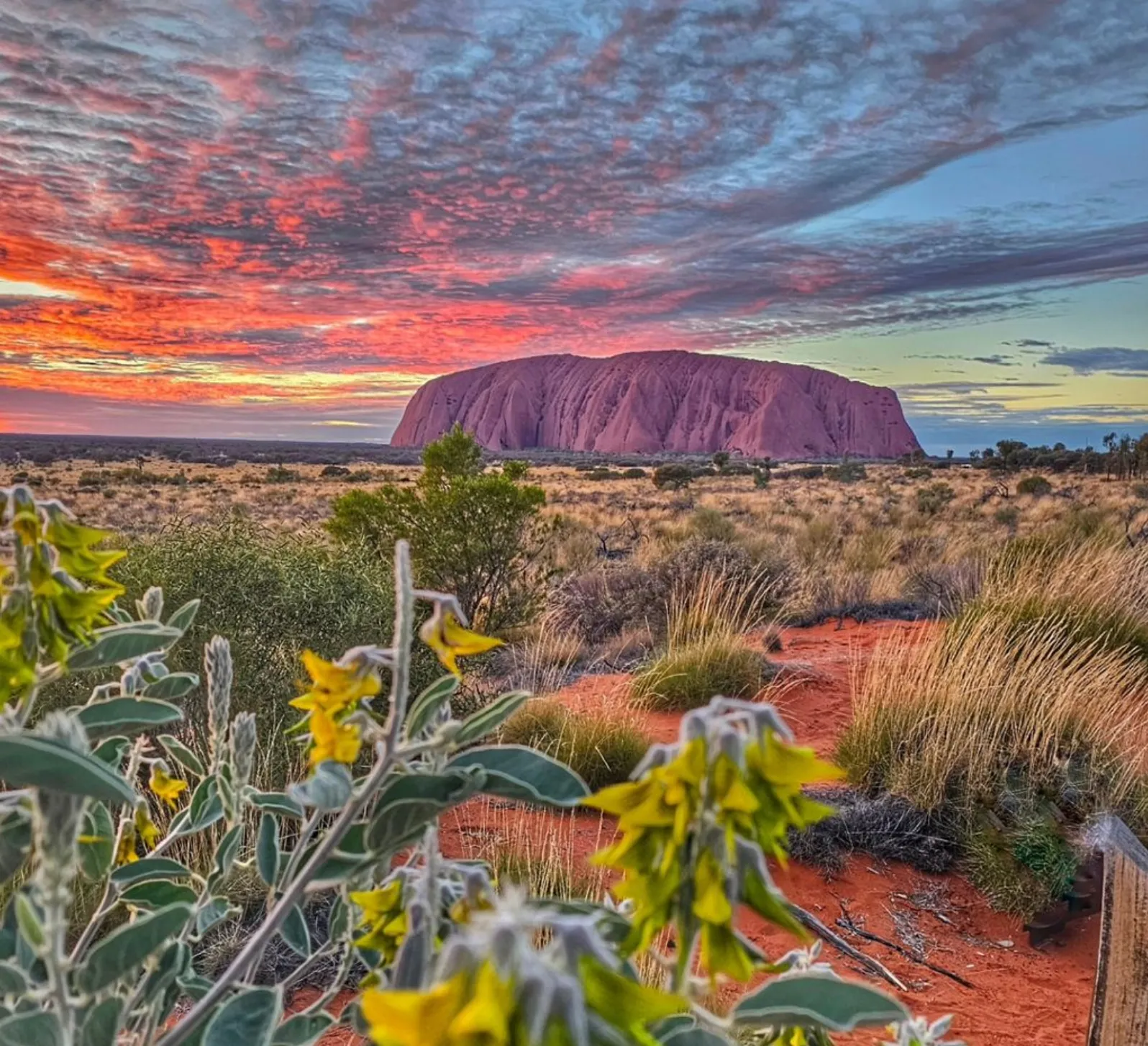
The Red Centre of Australia is a photographer’s paradise, with red earth, massive rock formations, ancient Aboriginal sites and dynamic desert landscapes. From Uluru-Kata Tjuta National Park to the MacDonnell Ranges, this region is chock full of photo opportunities. Whether you’re a amateur with a smartphone or a pro with a DSLR, photographing Uluru and the Red Centre is a once in a lifetime experience. Many visitors choose to do Alice Springs Uluru Tours which give you easy access to some of the most photogenic spots in the region including Uluru, Kata Tjuta and Kings Canyon. In this guide we will show you the best locations and tips to get amazing photos of Uluru, Kings Canyon, Kata Tjuta and the desert landscape.
Photography in the Red Centre
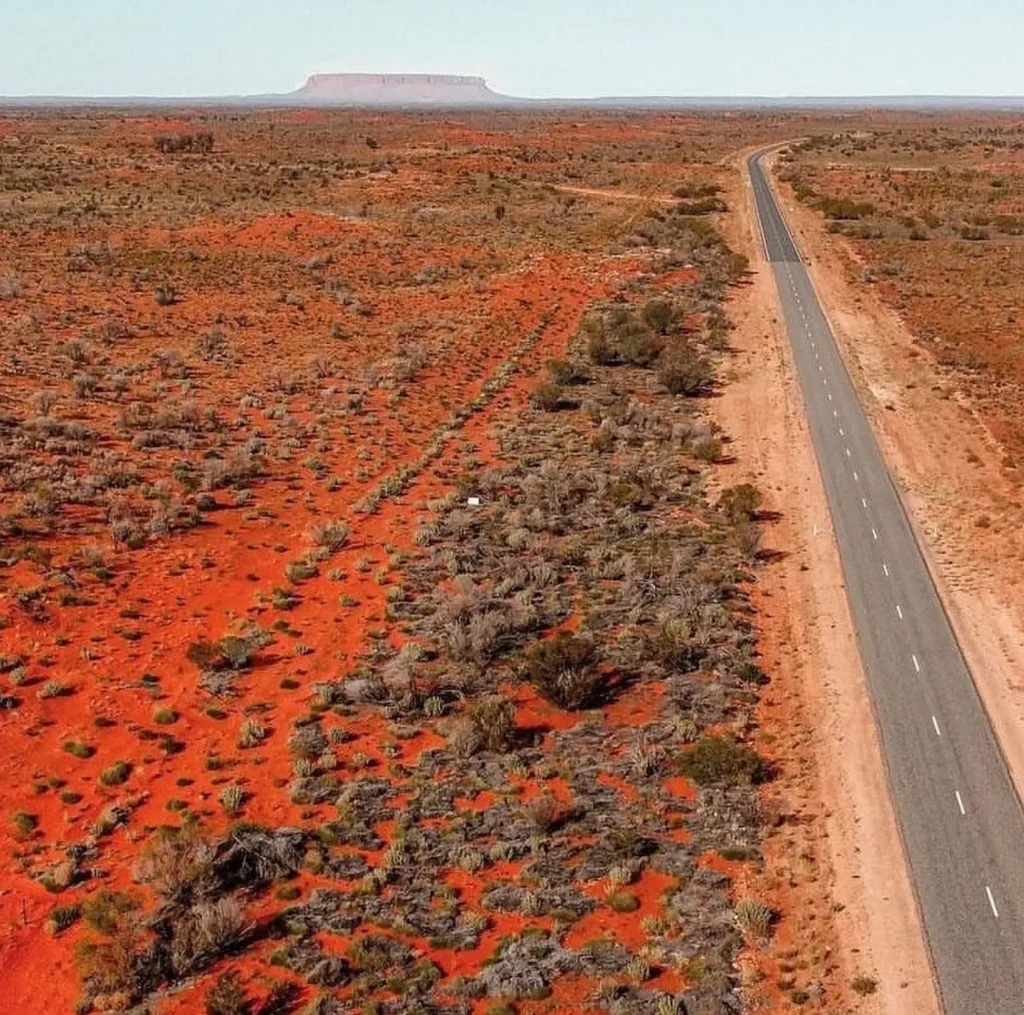
The Red Centre has endless landscape photography opportunities. From the vast plains around Uluru and Kata Tjuta to the rugged rock formations of Kings Canyon, the diversity of environments will give you endless photo opportunities. The region is famous for its ever changing light which turns the landscape into soft pastel colours at dawn and vibrant reds and purples at sunset. This makes the Red Centre the perfect destination for photographers who want to try out different techniques, whether shooting in the harsh midday sun or under the stars at night.
Uluru-Kata Tjuta National Park is the hub of this region and its cultural and spiritual significance to the Indigenous people adds another dimension to your photography. Many of the locations such as Mutitjulu Waterhole and sacred Aboriginal sites will give you not only stunning views but also a connection to the heritage and history of the land. Shooting these scenes through your lens will not only give you beautiful photos but also a way to share the stories of the Aboriginal people who have looked after this land for thousands of years.
The Magic of Uluru at Sunrise and Sunset
Uluru (Ayers Rock) is one of Australia’s most famous landmarks. Sunrise and sunset viewing of this sacred site are some of the best photography spots, as the rock changes colour in the soft light. The sunset car park is the perfect reflection of the glowing monolith and many photographers flock here to get the best dynamic range shots. Get there early to secure your spot and be prepared for the magic that happens in minutes.
Talinguru Nyakunytjaku Viewing Area
For views of both Uluru and Kata Tjuta the Talinguru Nyakunytjaku Viewing Area is a must see. This spot has great views of the desert landscape so perfect for capturing the scale of the area. Whether you are here for sunrise or sunset viewing this spot has a panoramic view of the national park. As the day goes on the shadows change on the landscape so you have multiple angles and lighting to play with.
Kata Tjuta (The Olgas) – A Photographer’s Secret
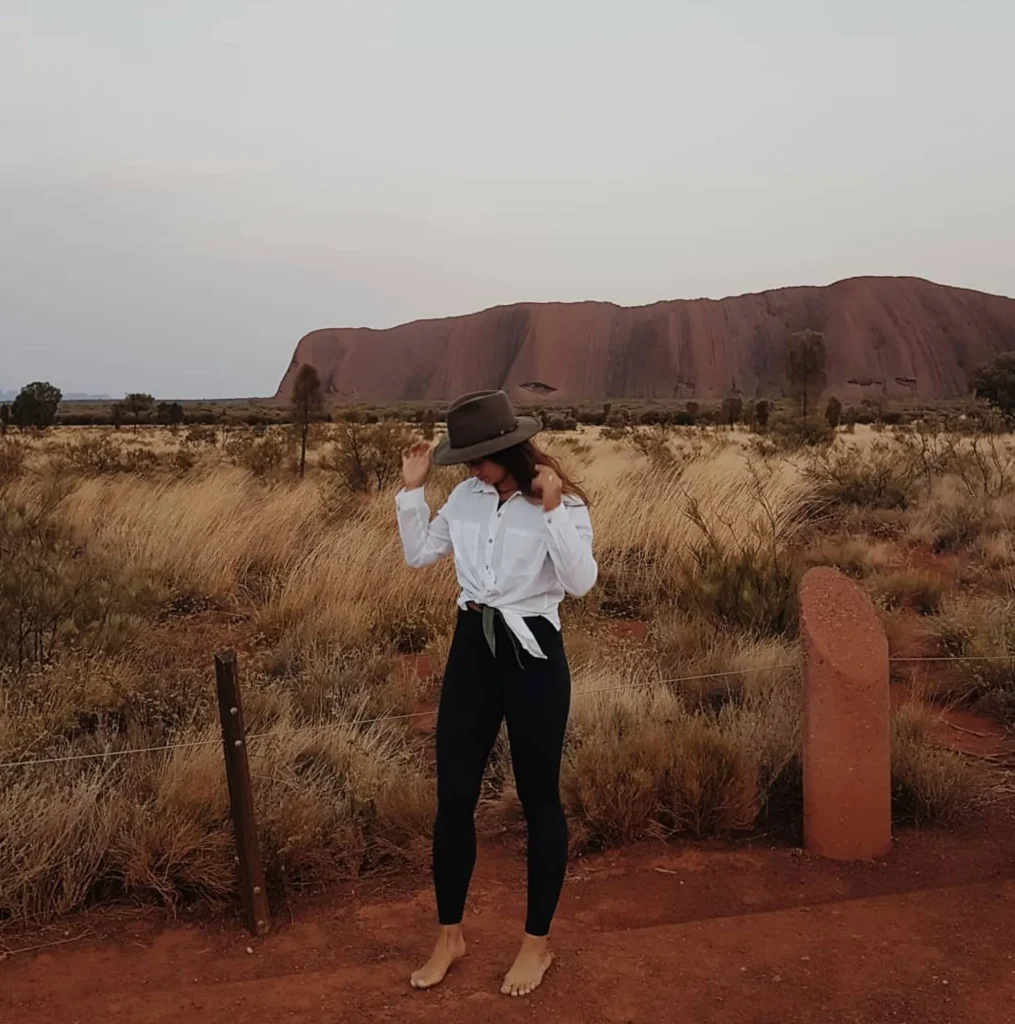
Often overlooked by Uluru Kata Tjuta (The Olgas) is a photographer’s secret. The domes are amazing especially during the golden hour when the warm light brings out the natural colours. The Valley of the Winds walk has many great spots to photograph the rugged landscape. Its spiritual significance to the Indigenous people adds depth to every shot and the contrast between the desert and rock formations is great.
Kings Canyon – A Photographer’s Paradise
Kings Canyon in Watarrka National Park is a photographer’s playground. This area has towering cliffs, swimming holes like the Garden of Eden and epic views from the Rim Walk. Kings Canyon Resort is only 10 minutes drive away so you can spend a couple of days exploring the area. Whether you are hiking the sunrise along the rim or capturing the landscapes from below Kings Canyon has it all.
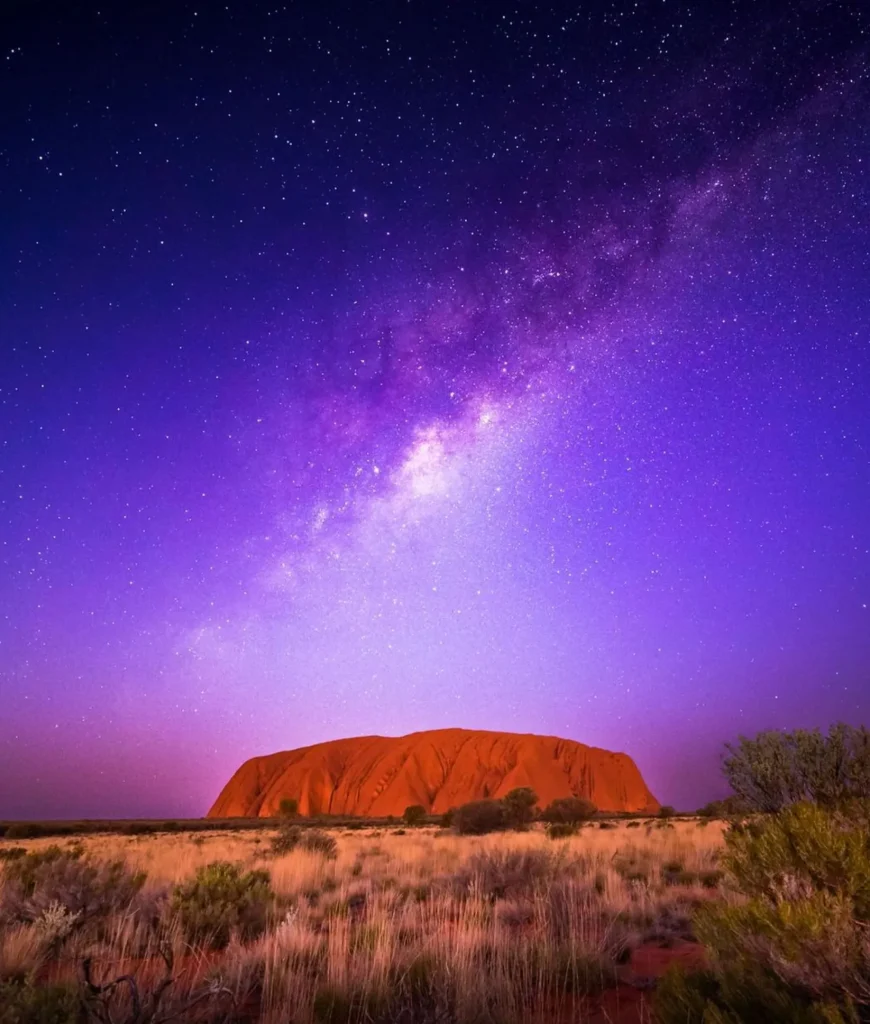
Shooting the Milky Way Over Uluru
The night skies in the Red Centre are crystal clear so perfect for astrophotography. The Milky Way over Uluru is a photographer’s dream and attracts photographers from all over the world. For the best results plan your shoot during winter or spring when the air is cooler and the stars are at their brightest. A plane flight into Ayers Rock Airport makes it easy to get here and commercial flights from major cities mean you can get here quick smart. Once you arrive the isolation of the desert means the night skies are even clearer so long exposure photography is epic.
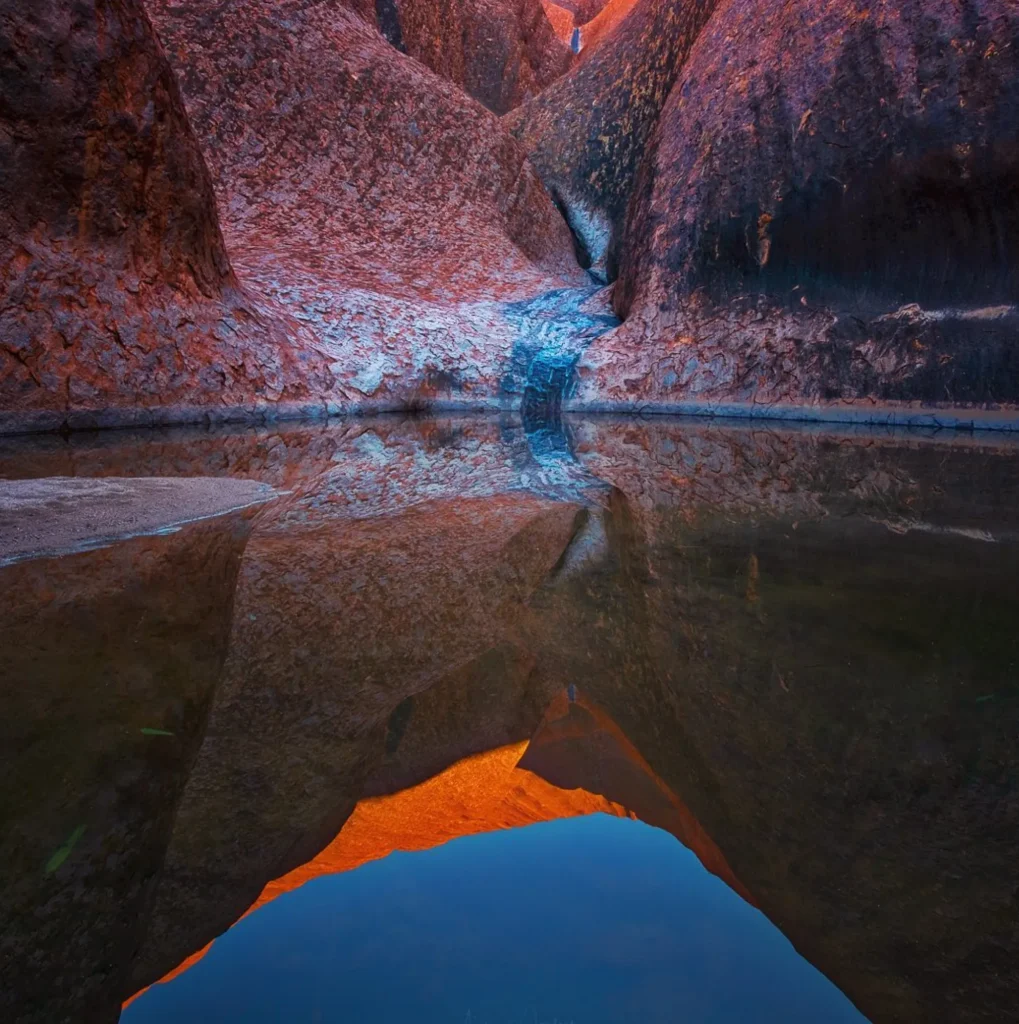
Mutitjulu Waterhole – A Unique Perspective
The Mutitjulu Waterhole is a special spot to see Uluru from a different angle to the desert. This is one of the best places to capture the rock in the water. The greenery around the waterhole is a nice change from the red rock and great for photographers looking for something different from the usual Uluru shots. It’s beautiful to visit early morning when the light is soft and the colours are rich.
Helicopter and Camel Tours for Aerial Photography
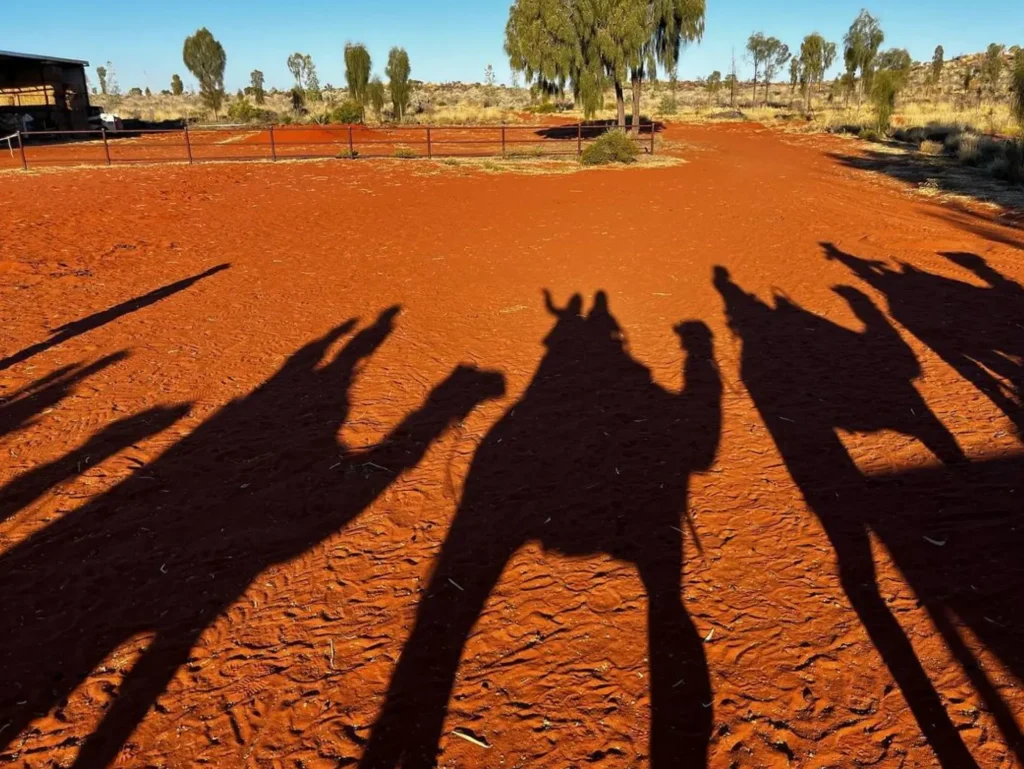
For epic views of the Red Centre helicopter and camel tours are the way to go. A helicopter tour over Uluru and Kata Tjuta will give you the big picture of the desert from above, the scale of these natural wonders is impressive. Camel tours are a slower pace and more intimate way to see the landscape, you can photograph the dunes, rock formations and even wildlife. Both options offer views not possible from the ground.
Best Time to Photograph the Red Centre
Winter (June to August)
Winter is the most popular time to visit the Red Centre, cooler temperatures make it perfect for sunrise hikes and all day photography. The skies are often clear, great for landscape and night sky photography, especially over Kings Canyon or Ayers Rock Resort.
Spring (September to November)
Spring brings wildflowers and life to the Red Centre, great for photographers looking to add some colour to their desert shots. The Larapinta Trail and spots like Ellery Creek Big Hole and Ormiston Gorge are particularly photogenic this time.
Summer (December to February)
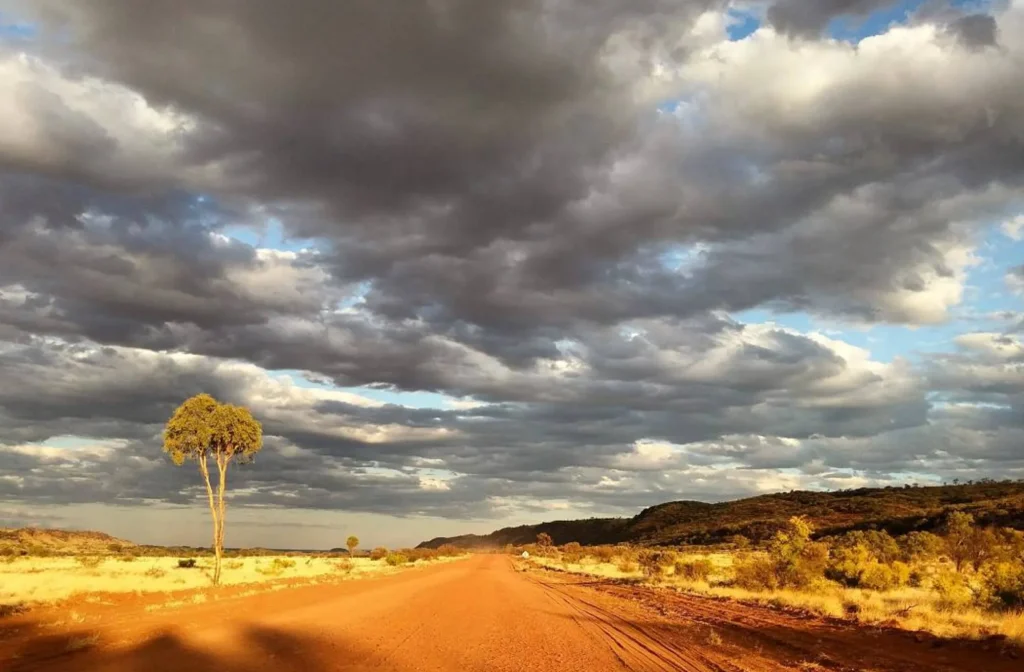
It’s hot but the occasional thunderstorms that roll through the area are great for range shots, dramatic clouds and light. Early morning and late afternoon are the best times to photograph the Red Centre.
Conclusion
Photographing Uluru and the Red Centre is a once in a lifetime experience that delivers amazing spots, epic views and breathtaking landscapes. Whether you’re shooting sunrise over Uluru, hiking Kings Canyon or photographing the Milky Way over the desert, this region has endless opportunities to get some great shots. With sensitive sites like Mutitjulu Waterhole and big sights like Kata Tjuta, there’s something for every type of photographer in this vast spiritual landscape.
FAQ
When to shoot Uluru?
Sunrise and sunset are the best times to shoot Uluru, the light changes are magic and creates amazing colours on the rock. Get to Ayers Rock Resort early and you’ll get a good spot for the shot.
Can I photograph Aboriginal sacred sites in the Red Centre?
Some Aboriginal sites, like Mutitjulu Waterhole, can be photographed but always respect local customs and signs that indicate sensitive sites where photography is not allowed.
Can I shoot the Milky Way over Uluru?
Yes, the Red Centre is one of the best places in Australia to shoot the Milky Way due to the clear night skies and no light pollution. Winter is the best time for night sky photography.
Are helicopter tours available for aerial photography in the Red Centre?
Yes, helicopter tours are available from Ayers Rock Airport, such as Uluru Tour, Kata Tjuta and the desert.
When to visit the Red Centre for photography?
Cooler months. (Winter and spring) Clear skies and good light for landscape shots. Kings Canyon and MacDonnell Ranges.