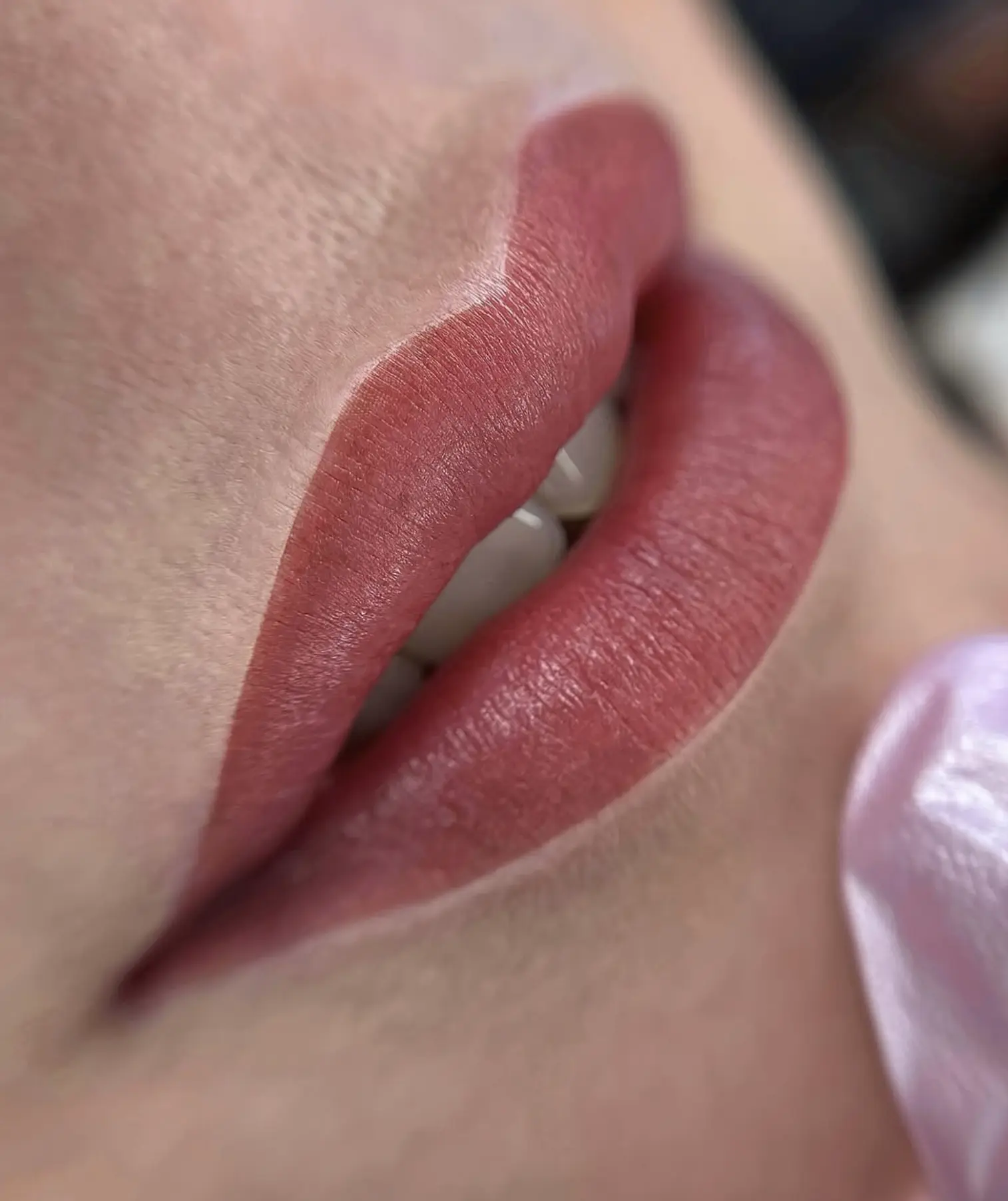
Which courses are TGA-compliant for 2026? is one of the questions I get asked most often in the studio these days – and I get why – it can be a real pain to keep up with all the changes. Between government regulations, dodgy advice on social media, & courses that promise the world but deliver little beyond a fancy certificate, it’s really no wonder people are getting confused about how to choose a training provider.
Here’s the lowdown: in Australia, there is no such thing as a single “TGA-compliant” course. Being compliant is about how you work, what products you use, & whether your training actually teaches you to meet the national regulatory standards. Yes, I’ve seen far too many students waste thousands of dollars on courses that just won’t cut it in the real world.
Here at Cosmetic Tattoo Studio Melbourne Face Figurati, we teach our artists to meet the industry’s real-world expectations. I get students coming to us all the time after they’ve tried half-baked online programs that don’t cover safety properly or rushed microblading courses that leave them feeling overwhelmed, so let’s cut through the jargon and get to the point.
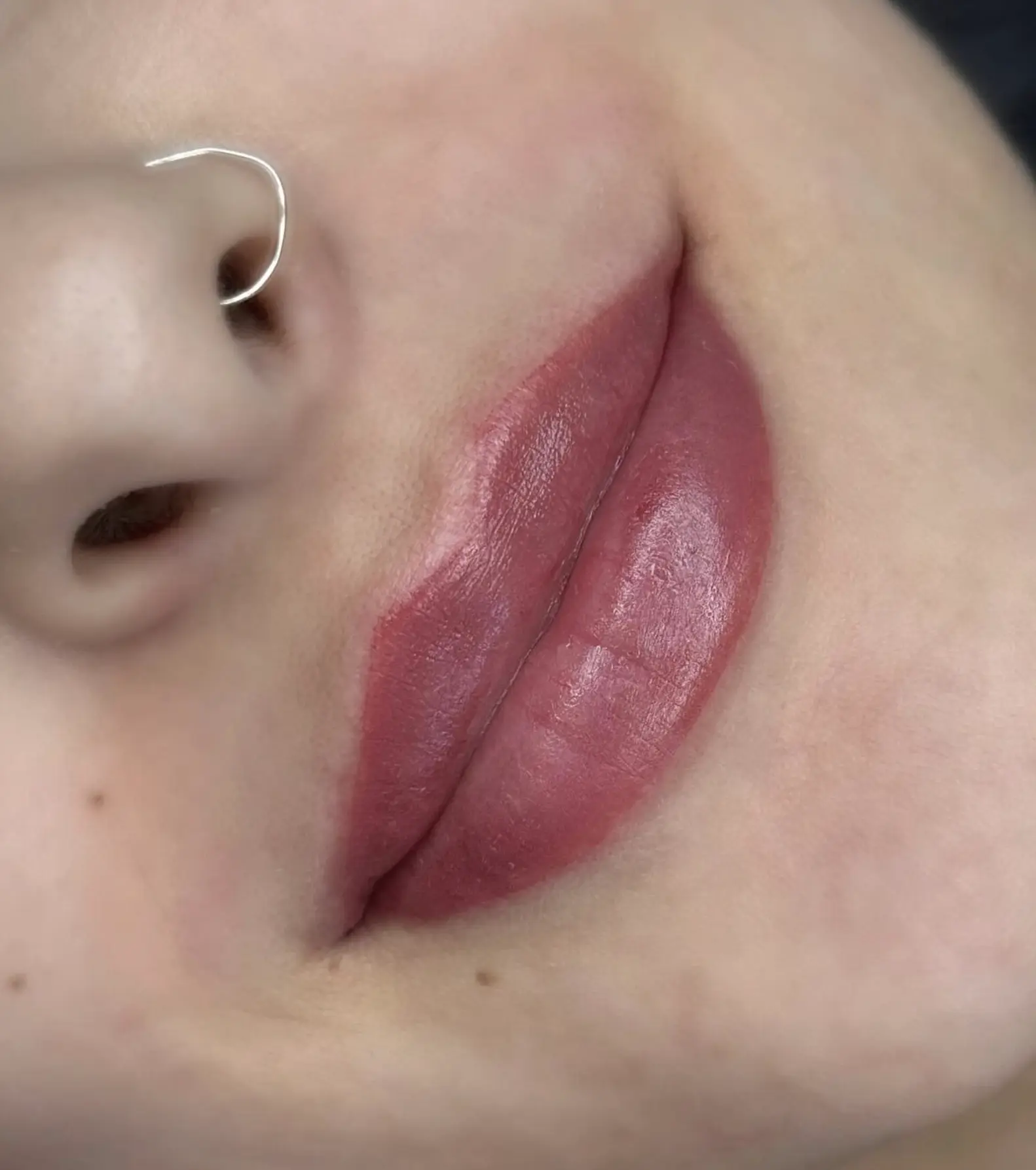
What The TGA Actually Regulates (And What It Doesn’t)
Before you start looking at courses, you really need to understand what the Therapeutic Goods Administration (TGA) is actually up to.
The TGA is all about regulating:
- Therapeutic goods and pigments that are actually going to make a difference to people’s lives
- Medical devices (ie laser and IPL gear)
- Advertising for therapeutic goods
- Safety checks like post-market monitoring and incident reporting
But here’s a key thing to note: the TGA doesn’t actually approve beauty or cosmetic tattoo courses. What really matters is whether your course actually prepares you to do the job safely – to work with the devices, to follow hygiene and infection control, to understand the risks and know when a client isn’t suitable for a particular treatment.
Courses that ignore these basics might still hand out a certificate – but they won’t actually prepare you for the real world of working in a clinic or looking after public health.
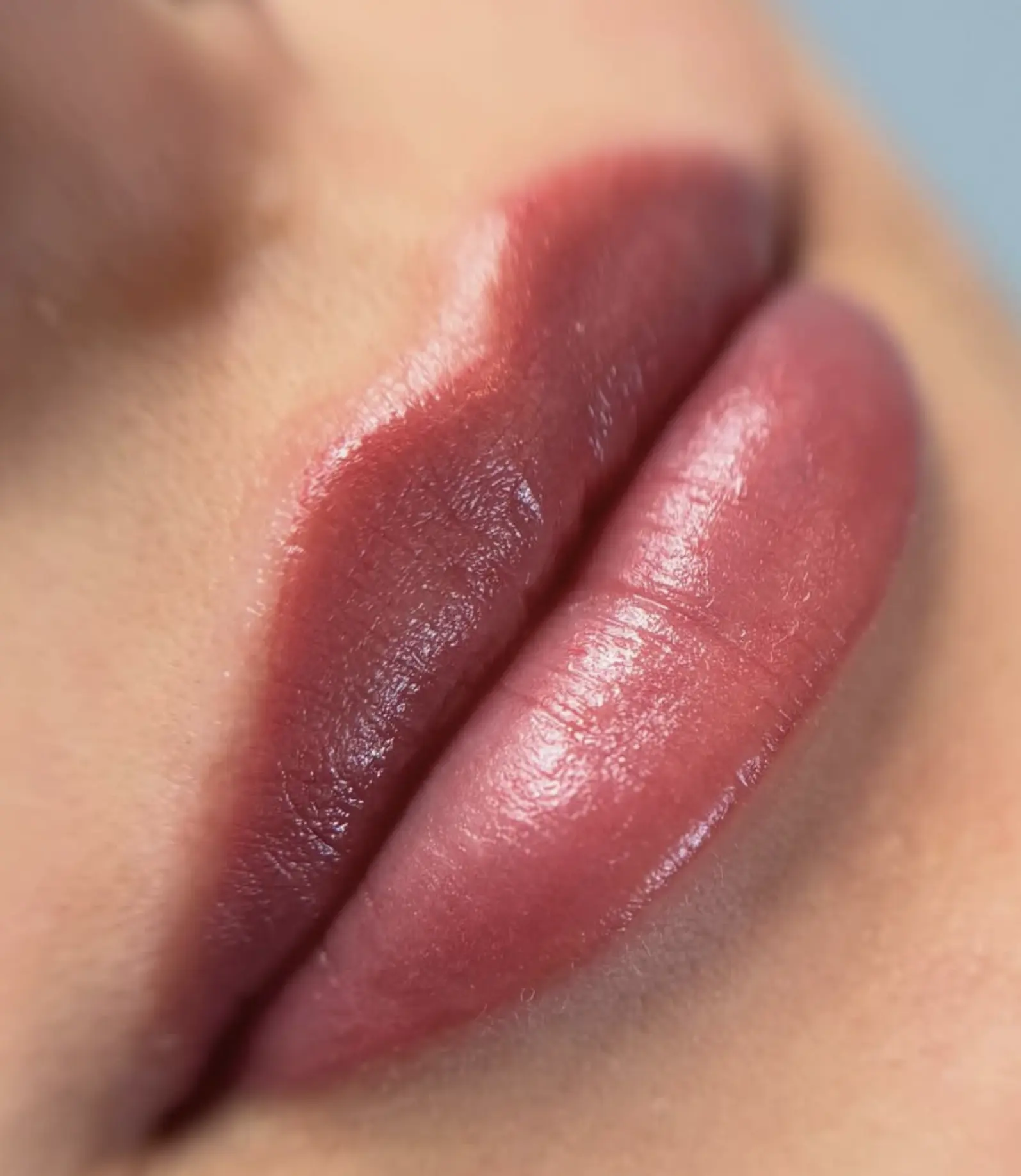
The Training Foundations You Actually Need To Work Safely
Let’s get down to business. If you want to work in Melbourne or anywhere in Australia with real confidence, there are some basic foundations that you need in place to support real-world regulation compliance.
Core Training Pathway For Cosmetic Tattoo & Laser Professionals
| Course Type | Why It Matters | Required For |
|---|---|---|
| Infection Control (HLTINF005 or equivalent) | Prevents cross-contamination and supports public health | All skin penetration services |
| Skin Anatomy & Physiology | Helps you understand skin response and avoid complications | Cosmetic tattooing, laser |
| Laser Safety Course | Covers safe handling of regulated medical devices | Laser/IPL operators |
| Device-Specific Training | Ensures correct use and reduces risk | Laser/IPL treatments |
| Cosmetic Tattoo Course | Teaches technique, pigment, and healing | Brows, lips, eyeliner |
| First Aid Certificate | Supports emergency response | Most clinics require |
Stat insight: Poor hygiene practices remain among the most common causes of complications in cosmetic procedures, directly contributing to public health risks and client outcomes.
What I Tell My Students
If the training you’re getting doesn’t include:
- Infection control certification – that’s a problem right off the bat.
- Real hands-on work on models so you can actually put what you’re learning into practice.
- Device safety knowledge so you don’t end up hurting your first client.
…then you won’t be properly prepared.
At Cosmetic Tattoo Studio Melbourne Face Figurati, I’ve seen students come in after doing a basic lip tattoo course with no idea how skin depth and healing work – and that’s when disaster strikes.
What Sets High-Quality Cosmetic Tattoo Training Apart
Cosmetic tattooing may look easy when you see it on Instagram, but trust me – it’s a whole lot more complicated in real life. It’s detailed, technical, and actually pretty simple to screw up if you don’t have the right training.
A good course should include a structured training package that actually teaches you something. It should include units of competency that are officially recognised and training modules that get updated regularly – not just a series of demonstrations.
At Face Figurati, we focus on:
- Figuring out skin tone and undertones so you can actually match the colour right.
- Choosing the right pigment and understanding how it will heal.
- Mastering needle control and placement.
- Doing a full consultation to make sure the client is a good match for the treatment.
- Looking after the client’s skin after the treatment so they don’t end up with a nasty reaction.
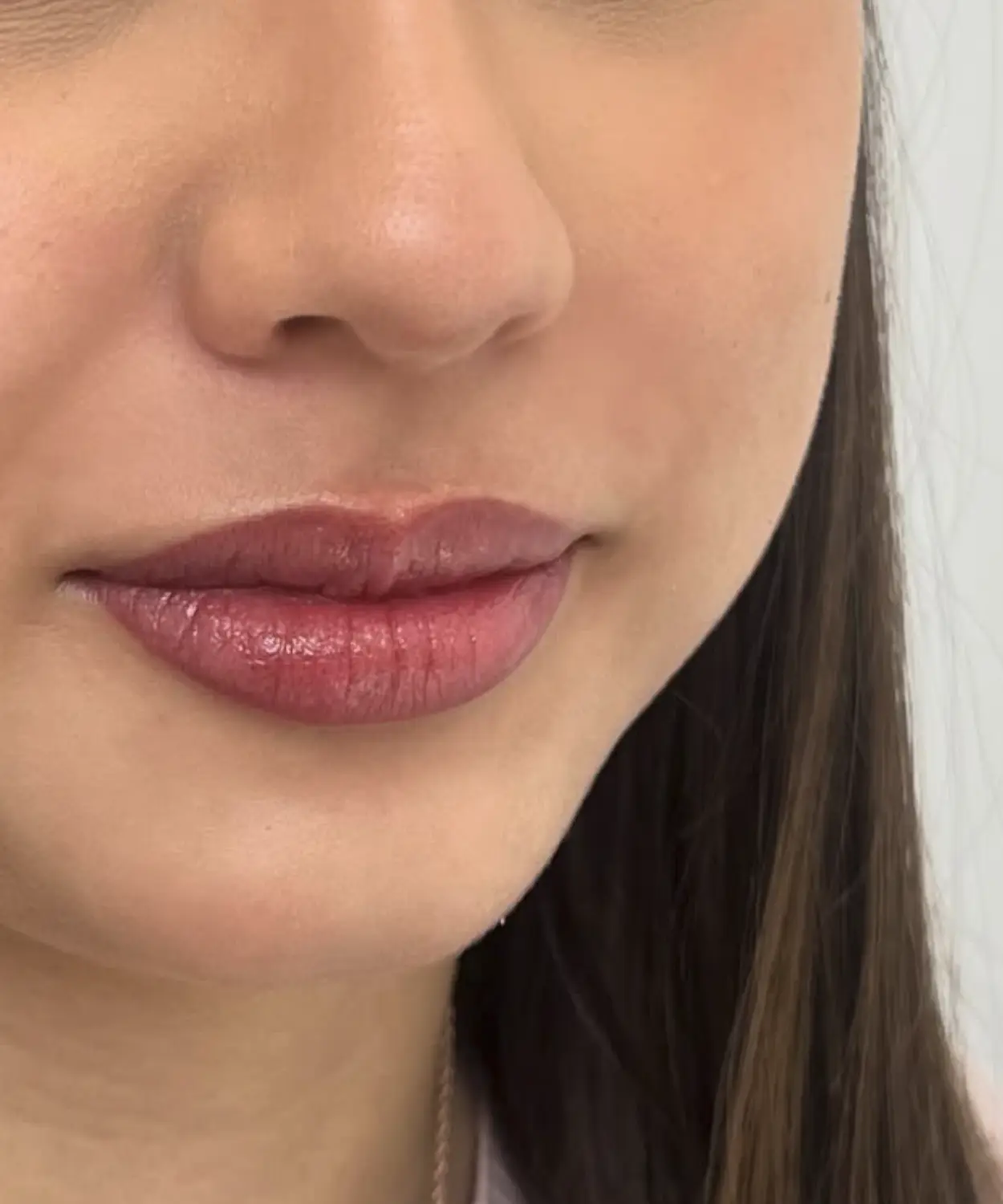
And if you’re doing a lip blush tattoo training or an advanced lip tattoo course, we also teach you how to go in and fix any uneven colour, which is something lots of short courses completely leave out.
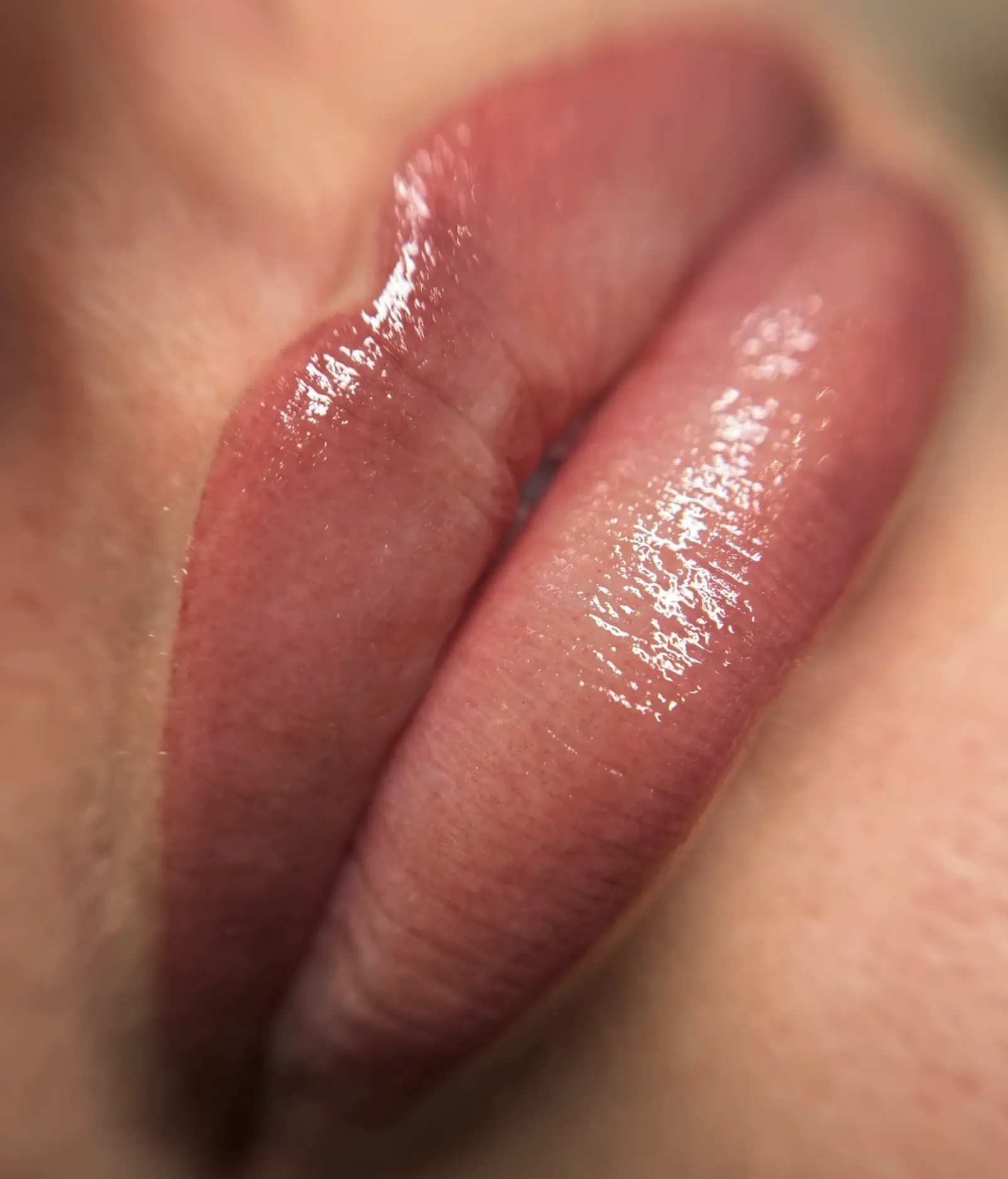
A Real Studio Example
One client came in with a lip tattoo that had healed all patchy and grey. The original artist hadn’t had a clue about pigment behaviour or undertones.
It took us multiple sessions to fix it.
That’s why I always say: proper education isn’t optional – it directly affects the person on the receiving end of your work.
Laser And Device-Based Training: Where Safety Is Critical
When you move on to laser treatments, the stakes get a whole lot higher.
You’re working with highly regulated medical devices, and proper training is the only way to ensure you stay up to speed with regulatory standards.
A good course will cover:
- How light interacts with the skin (it’s not as simple as it sounds).
- Safe energy settings for different skin types (or you’ll end up causing more harm than good).
- The risks of burns or pigmentation issues (yep, these are real problems).
- How to actually plan a treatment so it works.
At our studio, we often steer students towards laser courses in Melbourne that actually take into account the latest industry expectations and regulatory improvements.
And let me tell you this: just because a machine is available for you to use doesn’t mean you’re qualified to use it safely.
How To Spot Training That Isn’t Worth Your Time
Experience tells a story here. After years of putting in the time in the industry, the warning signs are as clear as day.
If a course:
- Promises instant certification
- Skips hygiene training
- Doesn’t include real models
- Focuses more on marketing than technique
…it’s not preparing you properly.
We see it all the time at Cosmetic Tattoo Studio Melbourne Face Figurati: students who’ve done the super-fast lip tattoo courses elsewhere and have had to go back to basics – and safety protocols – all over again.
That’s a whole lot of time and money they could’ve avoided wasting.
What Your Learning Journey Actually Looks Like
The path to becoming a proper cosmetic tattoo or laser technician ain’t a quick one. It takes time to build up your skills.
Most students go through this progression:
First off, you do your research and get your head around Infection Control. Then you do your main course and actually get to practice on people. And after all that, you’re still not done – you spend weeks refining your technique and working on getting better and better, before you’re ready to take on clients regularly.
What Professional Standards Look Like In Daily Practice
Training is one thing, but it’s how you put it all into practice every day that really matters.
At Cosmetic Tattoo Studio Melbourne Face Figurati, we know that the real key to our success comes down to things like:
- Making sure we use single-use sterile tools
- Sticking to medical-grade cleaning protocols
- Doing super detailed client consultations
- And making sure we’re always up-to-date with the latest in ongoing education and updates
And we also keep an eye on changes to regulations and industry expectations – because compliance isn’t a fixed thing, it evolves.
If your training doesn’t get you ready for this level of responsibility, then it’s just not done its job.
Final Thoughts: Focus On Skills, Not Just Certificates
If you’re trying to figure out which courses are compliant with the TGA for 2026, the answer is pretty simple: Choose a course that will actually get you ready for doing the job, not just one that looks good on paper.
This industry isn’t just about getting results – it’s about taking responsibility. Your clients are putting their trust in you with their skin, and that trust starts with proper education.
Whether you’re looking into lip blush tattoo training, comparing microblading courses, or even just doing some laser courses in Melbourne, take your time and pick a path that sets you up properly from the start.
FAQ
Do I need official approval to start working?
The short answer is no – you need to make sure you’re meeting all the local council requirements and hygiene laws, but you don’t need to do a specific TGA course.
Can I rely on online-only training?
Not really – you need some actual hands-on practice to get the skills you need to work safely on real people.
How long before I can confidently take clients?
Most students need at least 1-3 months of practice after training before they’re ready to take on clients.
Are all training providers the same?
Good grief, no. Do yourself a favour and look for some structure in the education, some actual support, and some real results.
Is advanced training necessary?
Absolutely, especially for things like lips, corrections and laser work – a short course just doesn’t cut it, you need a lot more depth.