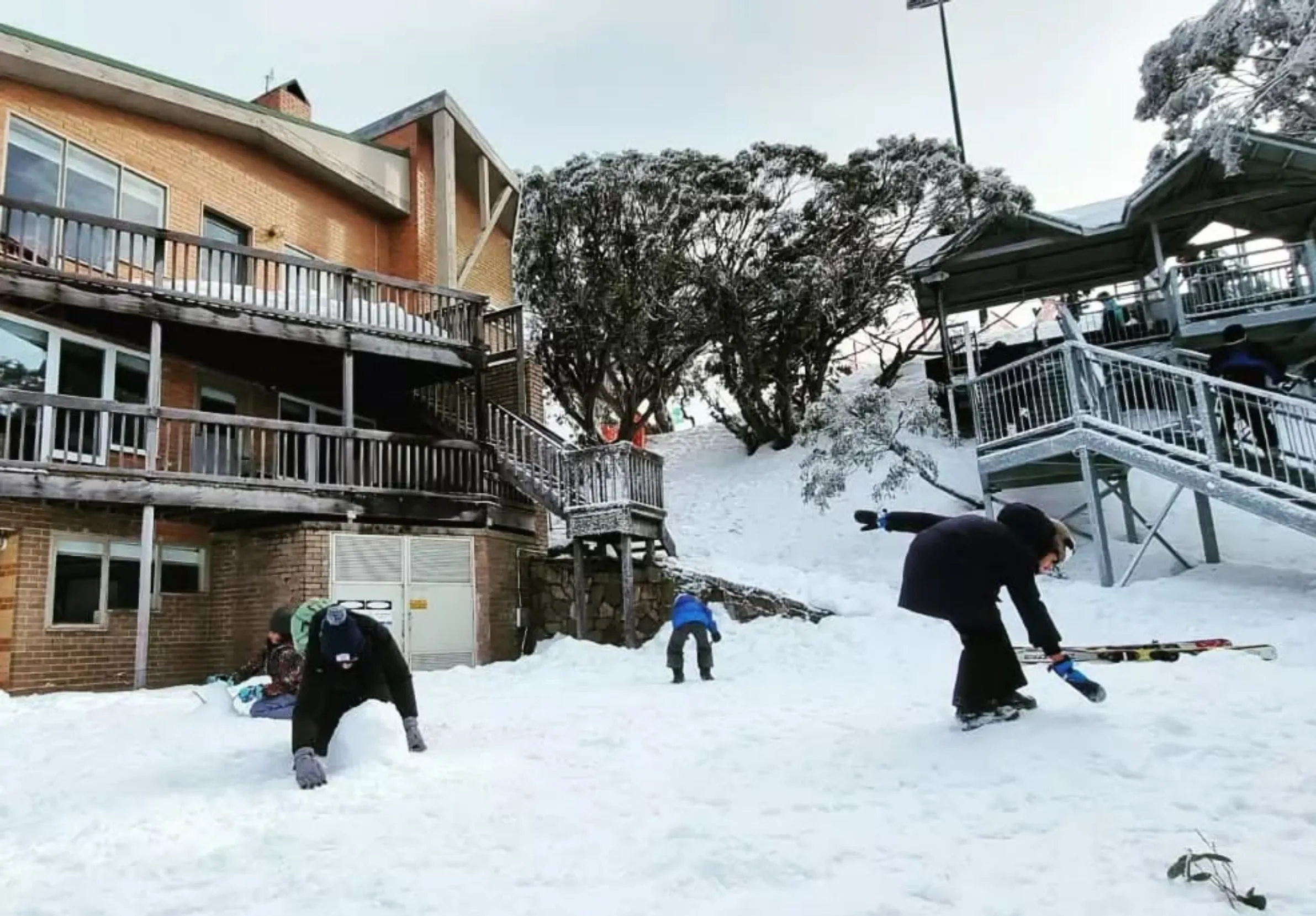
Skiing is a fun winter sport that attracts millions of enthusiasts every year. But if you have never skied before you might be asking yourself: is skiing hard to learn? The answer depends on many factors including fitness, coordination and mindset. While skiing can be challenging for beginners, it’s a skill that can be mastered with patience, proper training and the right approach. In this article we will get into the difficulties beginners face, how long it takes to learn and top tips to make the learning process easier. Whether you’re considering private ski lessons or learning at a ski school, understanding the basics of skiing will set you up for success. A well-planned snow trip can be the perfect opportunity to start your skiing journey in a fun and controlled environment.
Learn to ski
1. Balance and Coordination
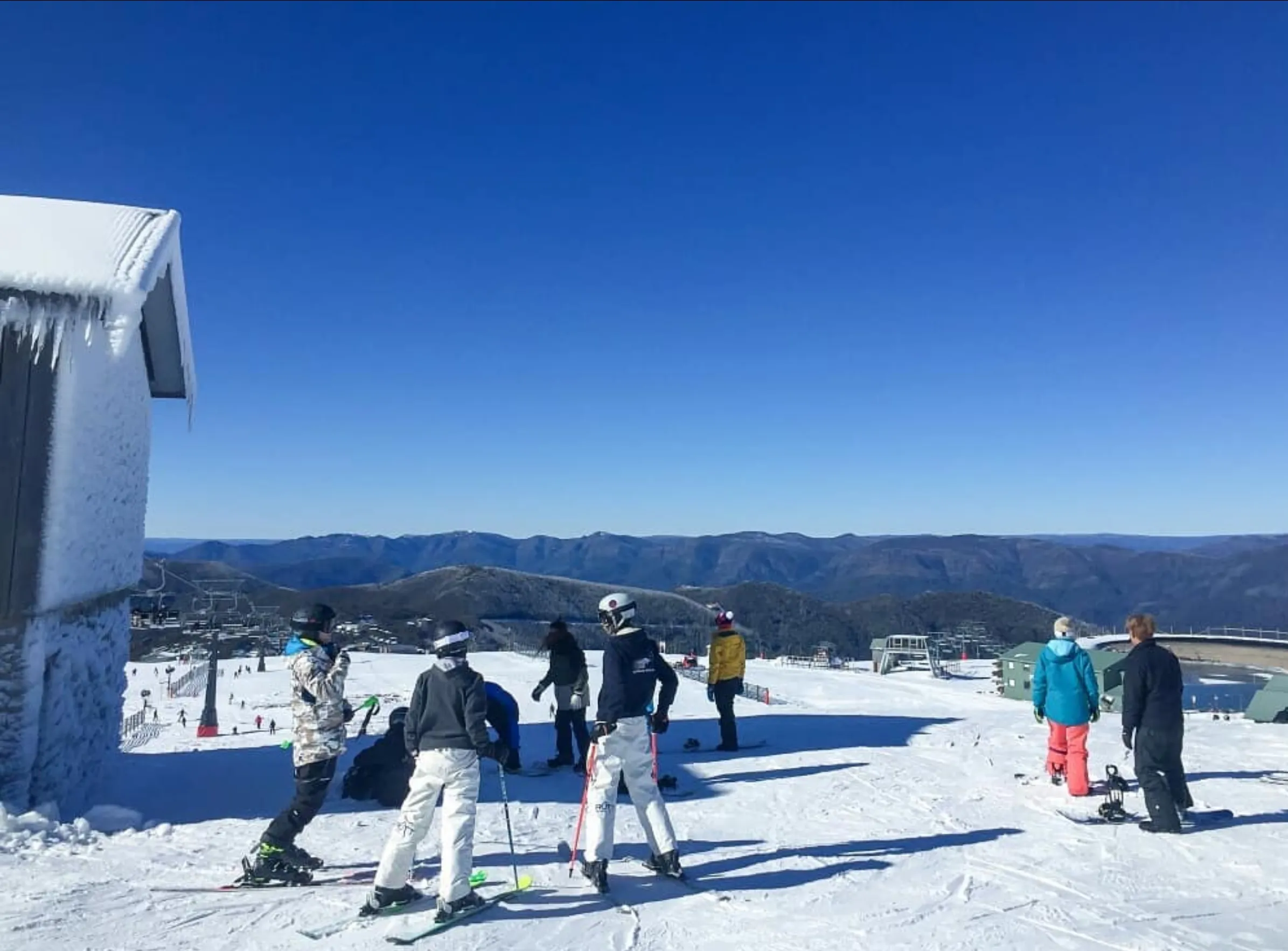
One of the biggest challenges of skiing for beginners is balance and coordination. Skiing requires you to stand upright on two thin skis on top of a snowy slope, which can feel unnatural at first. Your legs, core and arms need to work together to keep you stable. New skiers struggle to keep their weight centred and feel unsteady, especially on uneven or icy patches. But with consistent practice and body awareness balance and coordination improve and skiing starts to feel more natural over time. Taking private lessons with a professional ski instructor will help you develop these skills faster—especially helpful if you’re planning a Melbourne snow trip and want to make the most of your time on the slopes.
2. Stopping and Turning
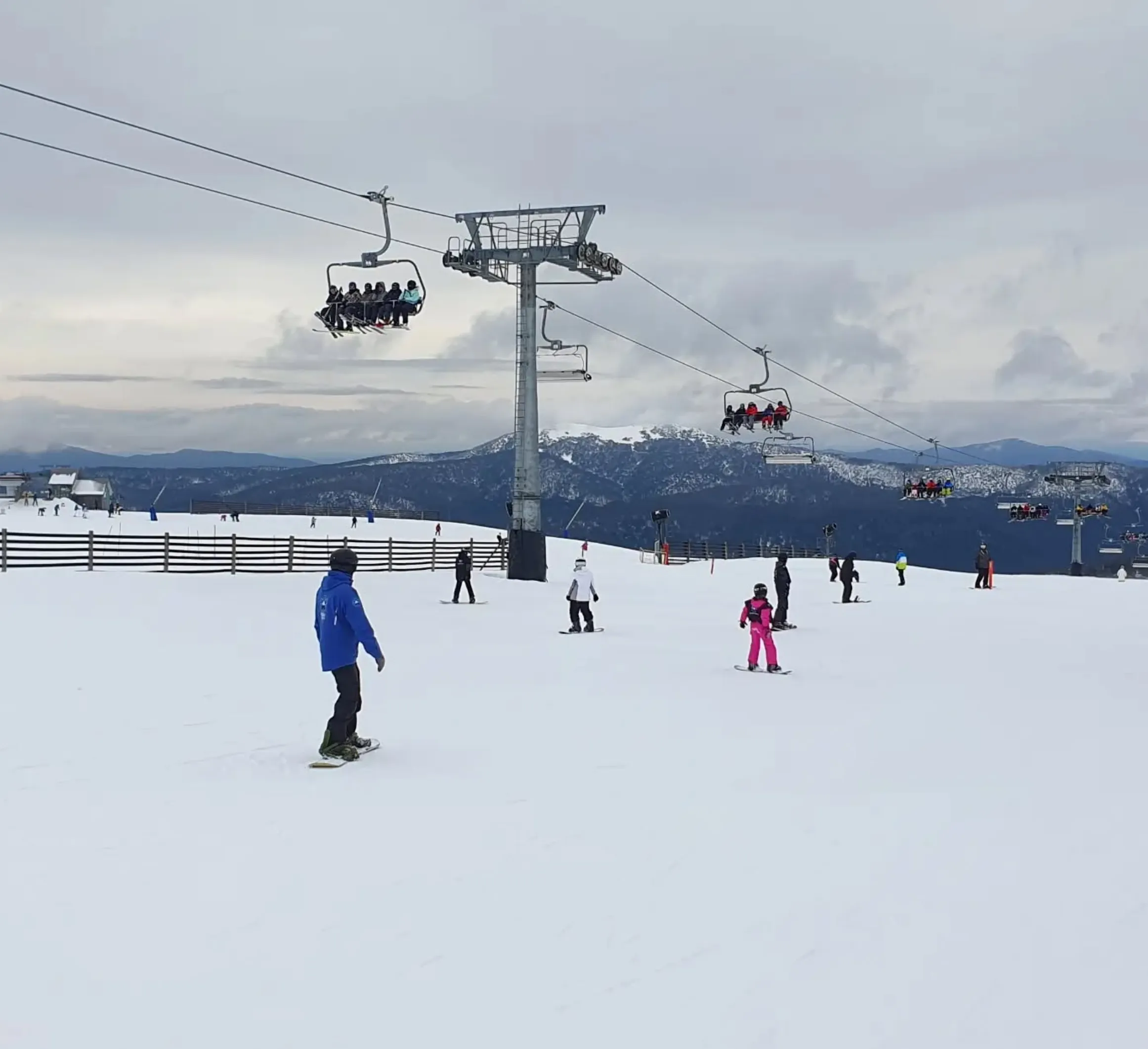
Stopping and turning are key skills for new skiers. Unlike walking or running where stopping is instinctive, skiing requires deliberate techniques like the snowplow (or pizza) stop and parallel turns. Master these and it can be tricky for new skiers as they require weight shifting, edge control and coordination. Without these skills, you can’t control your movement on the piste and the risk of falling increases. But with guided instruction from ski lessons at a ski resort and repetition, stopping and turning becomes a habit.
3. Fear of Falling
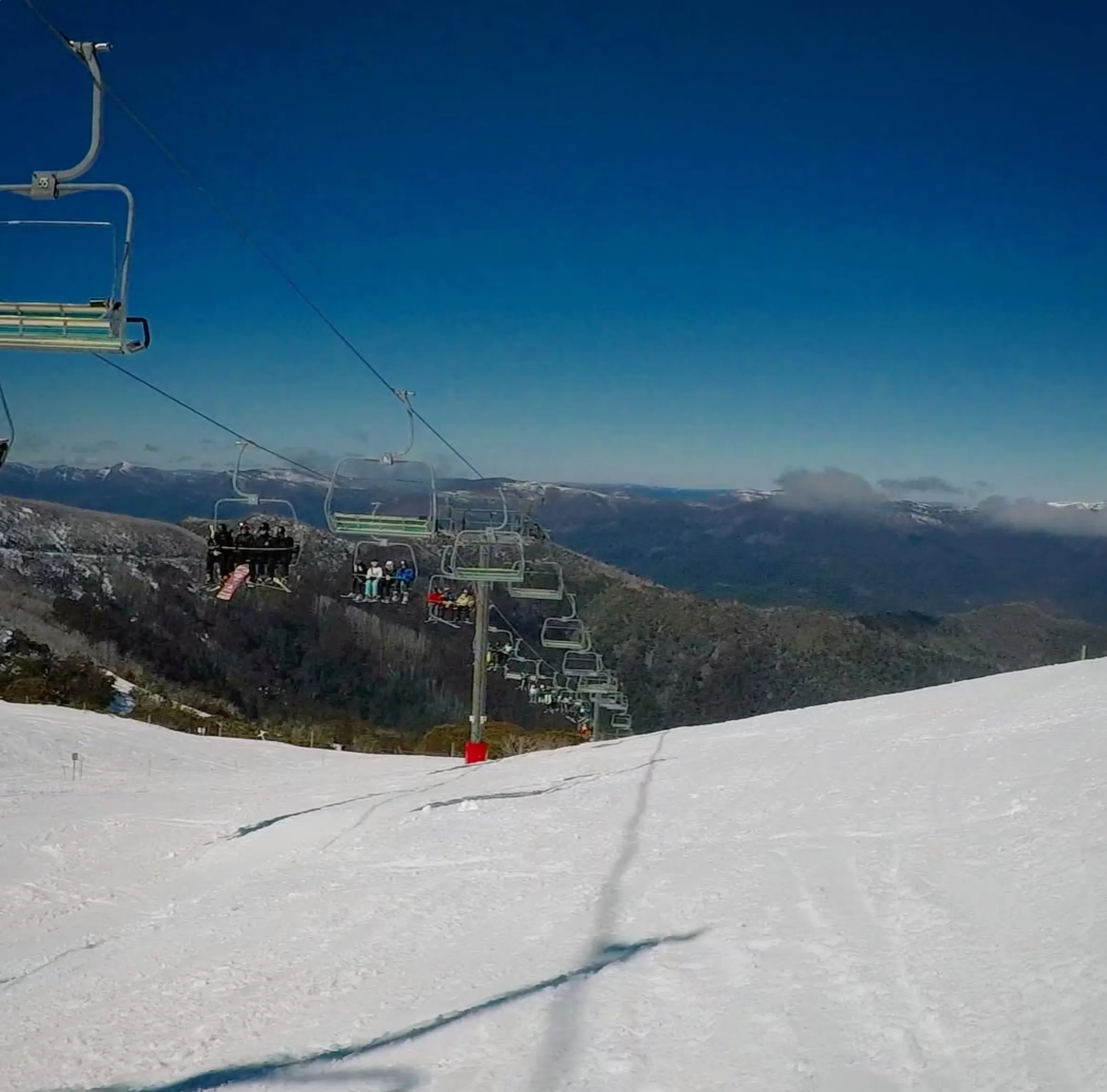
Fear is a big barrier for first-time skiers. The thought of slipping, losing control or colliding with other skiers can be daunting. This fear can lead to hesitation, stiffness and bad technique, making skiing even harder. Overcoming this fear is about building confidence through gradual progression. Start on nursery slopes or bunny slopes, take private ski lessons and practice controlled falls and new skiers will feel more at ease on their skis. With time and actual skiing technique, the fear of falling diminishes and skiing becomes more enjoyable on the piste.
4. Speed Management
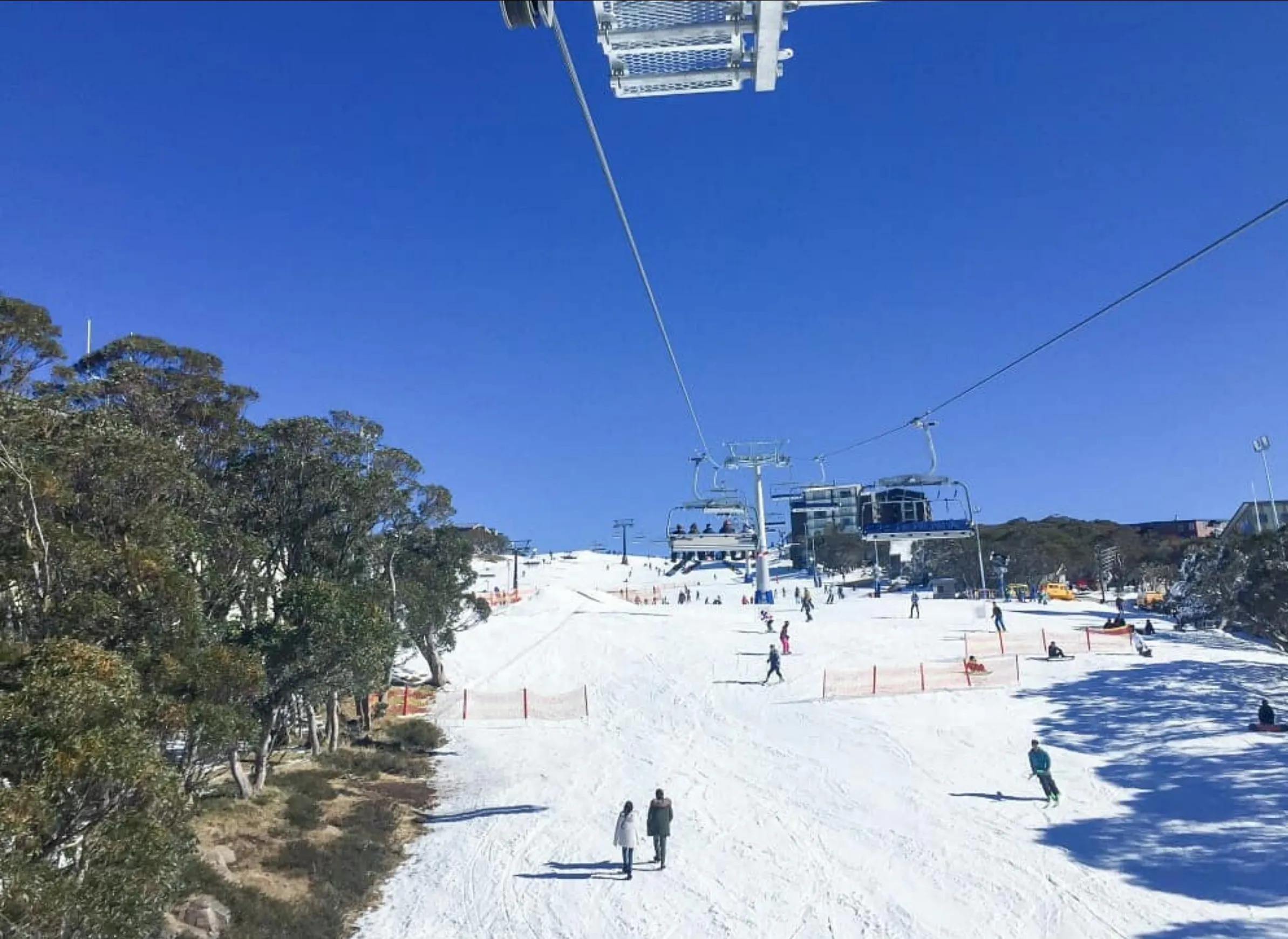
Another challenge for adult beginners is speed management. Skiing involves moving downhill and can quickly get you moving fast. Without proper technique new skiers can struggle to slow down and panic or get into dangerous situations. Learning to manage speed through edging, turning and body position is key to safe skiing. As skills improve new skiers get more control over their movements and skiing feels less overwhelming. Use the nursery slopes at ski resorts for beginners to practice. Use the nursery slopes at ski resorts for beginners to practice—especially if you’re on a snow trip Melbourne style and want to build confidence before tackling more advanced runs.
How Long Does It Take to Learn Skiing?
The time to learn skiing varies from person to person. Some may feel comfortable after a day, others after several sessions or weeks of lessons. On average most beginners can get the basics within 3-5 days of practice with proper instruction. By the end of a week-long ski holiday, many new skiers can ski green runs and even attempt blue runs. Consistency, ski lessons and days of practice play a big role in the learning process. Private lessons with a pro instructor can speed up progress, especially if you’re joining a Melbourne snow tour and want to make the most of your time on the slopes.
Top Tips for Beginner Skiers
1. Take a Lesson
Taking a beginner ski school lesson with a private instructor or group ski instructor is one of the best ways to learn fast and safely. Pro instructors provide structured guidance, teach correct techniques and correct mistakes early on. Group lessons can be fun and social to learn, while private lessons offer personalized attention.
2. Wear the Right Gear
Wearing the right protective gear makes life so much more comfortable and safe. Properly fitted ski boots, ski jackets, ski pants, insulated gloves, mid layers and a helmet are essential. Ski rental shops and gear shops at the ski resort provide rental equipment including skis and ski poles. Backcountry-enabled clothing for tricky terrain or a puffer jacket for extra warmth is also a good idea. Lip balm is essential for cold dry air.
3. Start on Beginner Slopes
Don’t try to tackle the black runs too soon! Beginner slopes (also known as nursery slopes or bunny slopes) provide a controlled environment to practice the fundamentals. These slopes are gentle and make it easier to build confidence before moving to blue or black diamond slopes. A magic carpet or beginner lift can make getting up the slope easier for first-timers.
4. Learn the Basics Before Hitting the Slopes
Knowing the basics of skiing such as how to put on and take off skis, stopping, turning and using ski lifts can prevent confusion and frustration on the mountain. Many ski resorts for beginners have practice areas where complete beginners can get comfortable before hitting the actual runs. Having the correct binding for resort skiing and understanding the difference between skiing and snowboarding can also be helpful.
5. Stay Relaxed and Have Fun
Tension and stiffness make skiing harder. Relaxing allows for smoother movements and more control. Remember skiing is meant to be fun and progress happens over time. Celebrate small wins and focus on having fun not perfection right away. Keep body heat regulated with proper base layers and warm up with balance exercises before hitting the slopes to prevent muscle fatigue and physical complaints.
Conclusion
Skiing as a beginner can be tough but not impossible to learn. Balance, coordination, fear, and speed control can be obstacles at first but with the right approach, anyone can develop the skills to enjoy the sport. Taking private ski lessons, skiing on beginner slopes, using the right gear and having a positive mindset all make for a smoother learning experience. With dedication and patience, skiing can be an incredibly rewarding and fun activity whether you like piste skiing or skiing in the backcountry in the mountains. Joining a snow tour Melbourne style is a great way to start, with guided support and beginner-friendly options tailored to your level.
FAQ
Is skiing harder than snowboarding for beginners?
Both skiing and snowboarding have their own challenges. Many people find skiing easier to pick up first because the stance is more natural and both legs move independently. Snowboarding has a steeper learning curve but can become easier in the long run.
How can I not fall while learning to ski?
Falling is part of learning but you can minimize it by keeping your knees bent, and balanced and practising controlled turns and stops. Taking a lesson from a pro ski instructor also helps in developing good habits from the start.
What should I wear for my first ski lesson?
Moisture-wicking base layers, waterproof ski jacket, ski trousers, insulated gloves, ski socks, goggles and a helmet. Proper gear keeps you warm and comfortable so you can focus on learning.
Can I learn to ski in one day?
You can learn the basic movements in a day but mastering skiing takes time and practice. Most beginners need multiple sessions to feel comfortable and confident on the slopes.
Do I have to be in shape to ski?
Being in good shape helps but skiing doesn’t require being a fitness freak. Having decent leg strength, balance and endurance can make learning easier and reduce fatigue. Doing core exercises and light workouts before your trip can also be beneficial.